 Keep My Acres
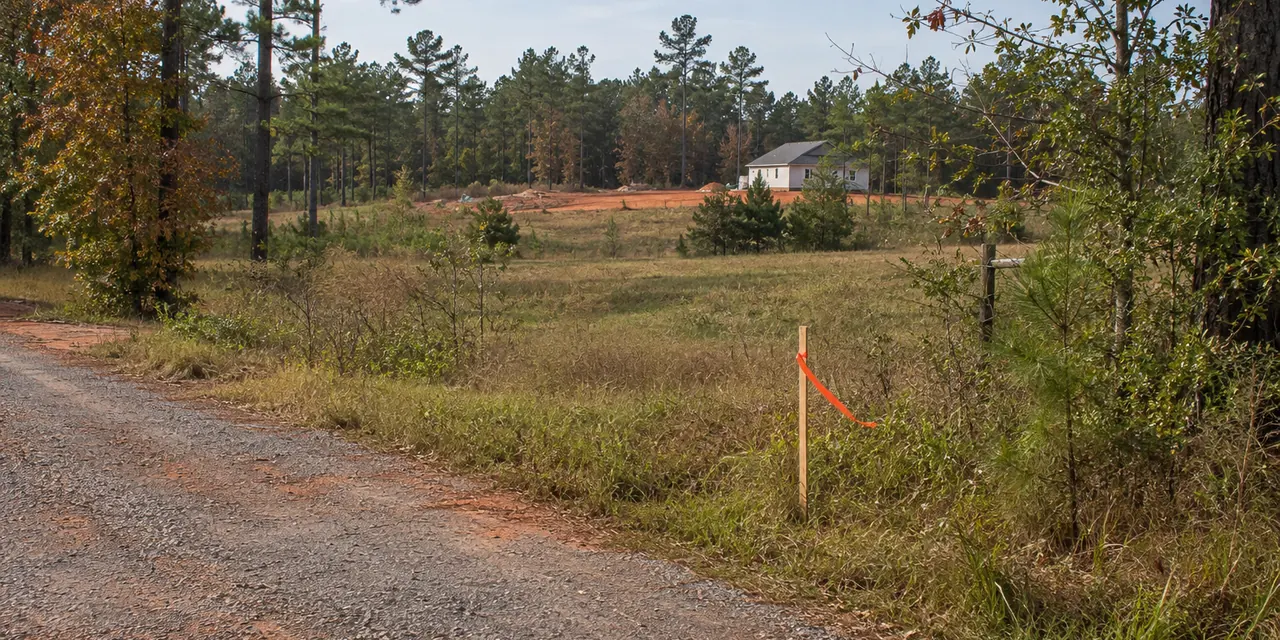
 Selling isn't what triggers rollback
The Comptroller's manual is direct: "Selling the property does not trigger the 1-d-1 rollback." Rollback comes from a change of use: when ag use stops, or the land is put to a non-ag use like a house, a subdivision or a business.
But a sale usually ends the seller's ag approval, and the buyer has to apply on their own. See bought land with ag valuation and the 2026 law change.
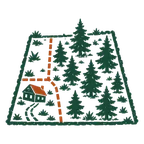 Only the piece that changes gets the bill
When only part of a tract changes use, the law limits the bill to that part. Tax Code §23.55(d): "the additional tax applies only to that part of the parcel." The same rule applies to timber (§23.76(d)).
An example 50-acre tract. Rollback covers only the acres that change use (Tax Code §23.55(d)).
 The rest still has to qualify
The land you keep only keeps its valuation if the ag use on it still meets your district's standard. A split can quietly break that. If Trinity CAD expects 5 mother cows and the remaining pasture can't carry them, the remainder can lose its valuation too.
There's no statewide minimum acreage for ag. The manual says an arbitrary size limit is invalid, but a district can use size guidelines "based on the principal uses of the tracts and upon the general intensity of a typical operation in the area." Ask your district before you survey.
 Wildlife land has a hard rule
If the land is under wildlife management, splitting brings a minimum-use test. If the tract is smaller than it was on January 1 of the year before, a set share of it must be in wildlife use. In the Pineywoods, the district picks a figure between 92% and 94% (34 TAC §9.2005). The tract doesn't face that test while its size stays the same.
 A house on the land
Claiming a house on the land as your homestead doesn't trigger rollback by itself. The manual is clear about the catch: if you build a homestead on former ag land, "he or she avoids rollback only as long as he or she continues to use the home as a residence. Selling the home may trigger a rollback on the land making up the homestead." In effect you need to live there three years.
 Who pays when land sells and changes use
The manual: "the person who has title to the property on the date the use changes is personally liable for the rollback tax, but the lien may be foreclosed against the land regardless of who is liable." That's why buyers and sellers usually spell it out in the sales contract. Ask your title company or attorney about the contract terms.
 The new owner of the split piece
Once ag is approved, no new application is needed "unless the ownership changes, the land's eligibility ends or the chief appraiser requests one." The buyer of a split-off piece who wants to keep it in ag files their own application by April 30.
 How much is at stake
Run the rollback calculator on your county page with just the acres you're splitting off. See the rollback guide for how the bill is figured.
Your county
General information, not legal or tax advice. Your appraisal district makes the final call.